
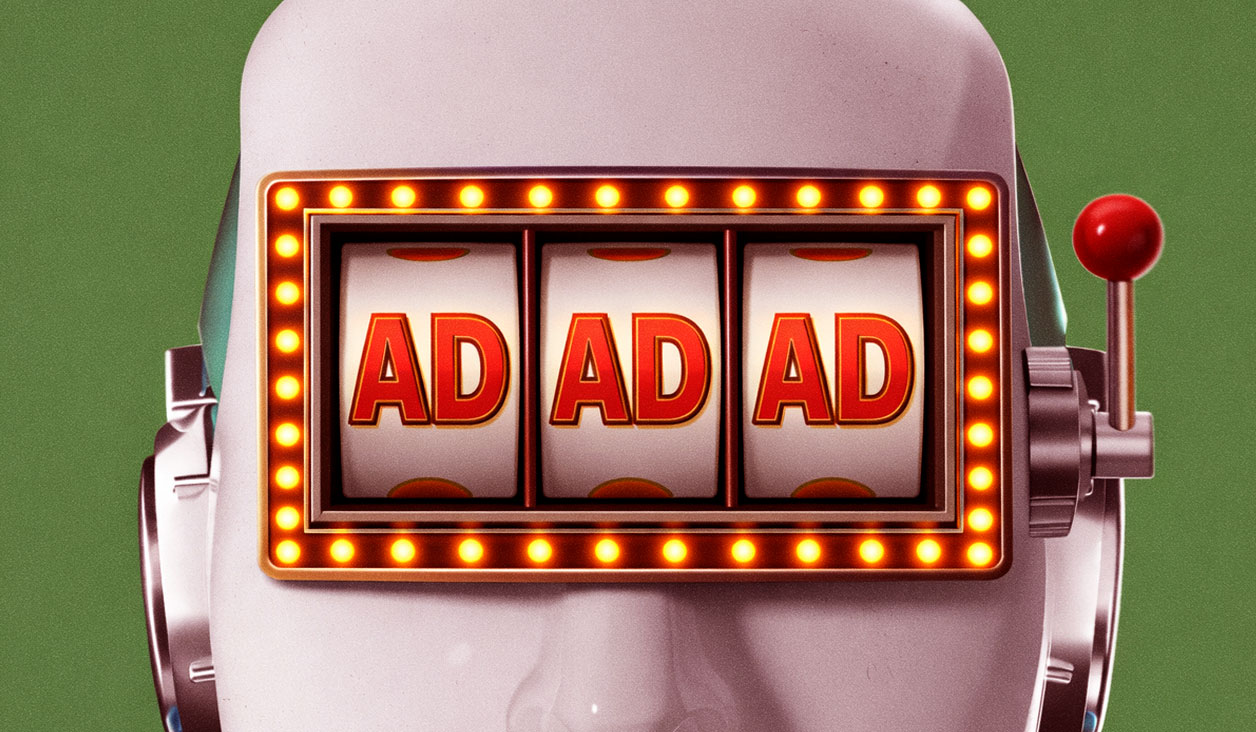
Time is selling ads to AI representatives. Perplexity rejects to allow them function.
Less than 2 weeks after Digiday reported that Time had begun offering ads inside the markdown variations of its web pages, aimed at AI agents as opposed to human visitors, Perplexity confirmed that it blocked those ads from influencing its own search index.
In an emailed statement to Digiday, Perplexity’s primary interactions officer Jesse Dwyer claimed the company functions “constantly” to shield customers from deceptive practices, funded or otherwise, and cautioned that authors who release “misleading advertising and marketing like markdown ads” take the chance of a reputational downgrade in Perplexity’s proprietary search index, including a hit to their depend on rating.
Problem did not respond to inquiries about exactly how the AI company is specifying “misleading” practices or advertising and marketing– or exactly how they are logistically obstructing Time’s advertisements.
Time did not reply to an ask for comment.
It’s unclear if the bargains Time signed with Ally Bank and the Project Management Institute, early purchasers, will be changed. Time’s sales group was already pitching representative ads to brand names that had transformed their very own company websites to markdown.
Perplexity has blocked all markdown advertising and marketing on Time.com from affecting its representatives or user-facing representatives considering that the technique was first reported. The business’s search and safety and security teams are likewise servicing other solutions to secure its individuals from markdown ads a lot more extensively, Digiday has actually found out.
It’s unclear how Perplexity is able to obstruct Time’s markdown advertisements, yet it’s the most up to date relocate an evolving agentic advertising ecosystem.
Steven Liss, founder of AI indigenous advertising and marketing platform OpenAds.AI, claimed maybe as straightforward as Perplexity advising its agents to not get marketing or unimportant info from Time’s website. In the short-term, that would suggest sponsored material would not appear in Perplexity’s search results, he claimed.
Perplexity’s step likewise addresses a concern Time’s own executives had left open. When Time chief operating police officer Mark Howard and Mobian co-founder and chief executive officer Jonah Goodhart explained the ad product to Digiday, both stated it was prematurely to understand just how AI internet search engine would certainly treat ads baked right into markdown pages.
“We do not know yet since this is all new, and we believe that we are paving the very first path forward here,” Howard said at the time.
It’s clear Perplexity will certainly not deal with these advertisements neutrally and it will not await a sector standard to act.
Goodhart stated the action to the agentic advertisements has been “exceptionally positive” up until now, based on discussions he’s had considering that their launch, though he did not supply numbers to show this success.
“A model developing a response obtains present, sourced, brand-verified info at the moment it is eating the web page, and it can evaluate that info and utilize it or otherwise,” Goodhart stated. “I study time the models will want factual details readily available concerning the brand names that matter to their consumers, so it is a bit puzzling why [Perplexity] would obstruct that content. I can’t talk to just how their model functions, yet I understand that when designs get truths incorrect concerning brand names, the people asking the questions get worse solutions … Our view is that one of the most precise, the majority of real-time facts will win customer trust fund with time.”
The ads work by having ad tech company Mobian create FAQ-formatted material based upon a brand brief, then put it right into Time’s markdown pages and track exactly how frequently AI internet search engine surface it, and just how positively. Ally Bank and the Project Management Institute had their brand-written, brand-approved messaging being in the very same markdown variation of the web page a representative reads as reality. If a page’s markdown variation can be silently seeded with paid web content, users have no other way of understanding whether a solution shows an author’s coverage or a client’s brief, shows up Perplexity’s logic.
That threat was flagged from the beginning when these advertisements were made public.
Rob Derow, taking care of supervisor and companion at BCG X, informed Digiday at the time the initial story was published that the biggest danger with markdown advertisements was the lack of any rule controling just how LLMs treat them, which AI online search engine can at some point check out the practice as a form of masking– the SEO method of revealing spiders various material than human visitors see. Time tried to get ahead of that by labeling its representative advertisements “sponsored material” on top, despite the fact that no plan required it. Perplexity’s statement suggests the tag really did not matter. Its argument is to the method, not the disclosure.
Experts and officers in the AI advertising area told Digiday they weren’t shocked by Perplexity’s choice, but additionally shared that the relocation was unlikely to hinder the advancement of advertising for the agentic internet.
The net is starting to divide into 2 tracks, with content and advertising created for human beings along with for AI representatives, said Robert Webster, former WPP officer and owner of AI marketing consultancy TAU. Companies will certainly discover ways to generate income from brand-new inventory prior to criteria capture up, he claimed.
Perplexity’s decision follows the pain AI companies have actually historically had with advertising and marketing, Liss claimed. He guessed that Perplexity’s stance dangers driving authors to obstruct Perplexity’s crawlers– if authors struck barricades in their attempts to generate income from Perplexity’s crawler web traffic, after that the worth of that website traffic continues to be vague.
Shiv Gupta, founder of staff-training service U of Digital, noted that LLMs might follow in Perplexity’s footprints to obstruct authors’ agentic ads, to safeguard user depend on and organic AI search results page– also preserve control over how their platforms are being monetized.
“The purpose might not be to deceive, however an advertising insurance claim can wind up pointed out as a neutral truth once the ‘funded’ label is left [when an AI agent retrieves the content],” Webster stated. “Perplexity will certainly additionally be keen to maintain their user’s trust that the solution it delivered wasn’t purchased.”
Suggested Social & Advertisement Technology Devices
Disclosure: We may gain a payment from associate links.
Leave a Reply