
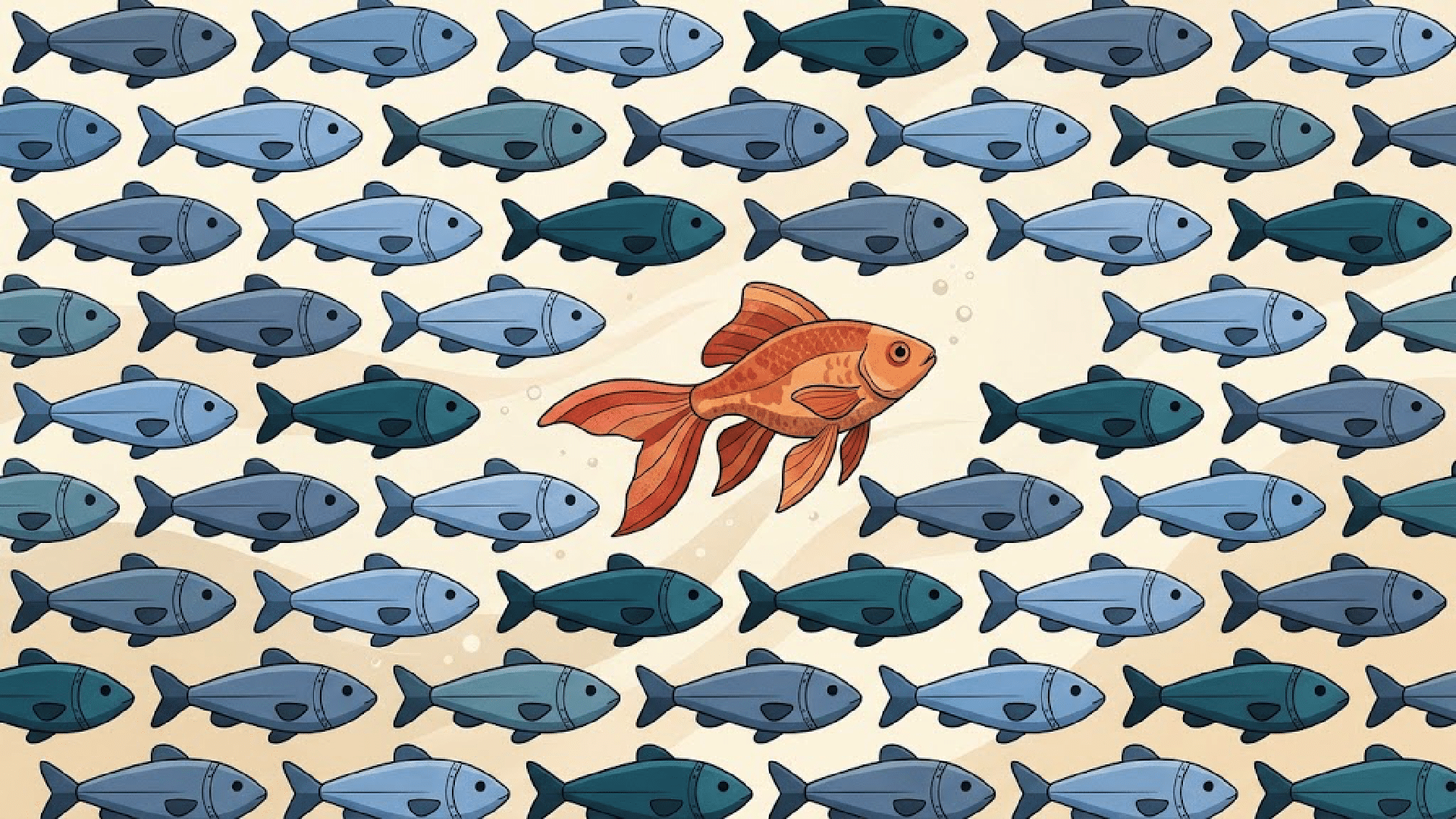
Personalization is basic in digital experiences. Brand names make use of information systems, target market division, behavior targeting, and AI to make content extra pertinent. However when every brand can customize material to private choices, significance alone isn’t sufficient to stand out.
Component of the problem is just how brands approach personalization. Frequently, imaginative teams get entailed after an experience is developed or upgraded, with target market sectors and innovation demands mainly defined. They’re after that asked to create variants of headlines, images, or phones call to activity– work AI can currently take care of with the right guidance.
This assembly-line approach misses out on the larger chance. As AI makes tailored content less complicated to create, creative thinking ends up being even more important in creating ideas that feel purposeful, individual, and worth keeping in mind.
When the creative concept precedes
Spotify Wrapped demonstrate how personalization can transform acquainted client information right into something entertaining, shocking, and worth sharing. Countless people experience the exact same basic idea, but the result feels one-of-a-kind and personal to every individual.
Creative strategy should not simply turn up at the end to create content variations. It must assist specify the experience, why individuals would care, and what innovation is needed to make it happen.
McDonald’s Magic Stories takes this technique further. It created an experience where family members might end up being personalities in their own individualized computer animated stories. With AI, these stories could proceed and evolve gradually, giving family members something fun to experience together and a factor to return.
McDonald’s intended to strengthen involvement and urge repeat check outs. A common personalization technique would concentrate on targeted offers, tips, or far better rewards. Instead, McDonald’s began with a creative concept based on something personal and human: the minutes family members share.
The Magic Stories concept started in a creative workshop and later on ended up being an experience that utilized AI, highlighted personalities, loyalty information, and app modern technology. This concept altered what the technology needed to do. The system needed to support a continuous story and produce a consistent computer animated world that households would want to return to.
The project saw a 238 % rise in average time spent with the brand name per person and repeat use above 50 %. This does not verify lasting memorability, however it reveals the sort of interaction an idea-led experience can produce.
The innovative idea preceded, and personalization was part of the experience from the start.
10 X your SEO with Semrush for Business
The globe’s most effective SEO platform, purpose-built for Business.
Request demonstration
A brand name must have something to say, also
Brand names frequently focus on what people like and give them even more of it. But shouldn’t they also contribute something of their own? We usually overlook that component of personalization.
A brand shouldn’t simply duplicate its consumers’ choices. It should have its very own identification, viewpoint, and ideas. Not every brand requires to take a social or cultural stance, but it must mean something significant and easy to identify. Customization ought to aid individuals experience that point of view, not simply swap it out for whatever an algorithm believes will certainly obtain a click.
Dove’s Actual Elegance DNA is an additional terrific instance. Dove consistently tests narrow appeal criteria. As AI takes a larger function in affecting the images individuals see, Dove partnered with Pinterest to offer women an extra energetic duty in defining the appeal they wanted to see.
Participants picked images and individual top qualities that reflected their very own meanings of charm, creating customized, shareable content and assisting form the pictures Pinterest suggested. The imaginative concept affected not simply what individuals saw, however exactly how they could aid shape it. Instead of simply showing women much more content based upon their preferences or existing algorithms, Dove brought its beliefs regarding elegance into the customization experience.
Dove preserved its brand viewpoint while customizing the experience. The project got to 27 million people on Pinterest, saw interaction amongst ladies 21 4 % over system criteria, and provided a 2 9 -factor lift in association with Dove’s Real Elegance message.
The brand name’s idea remained regular, however individuals’s experiences and involvement in it came to be individual.
As AI allows us adapt web content, images, tone, recommendations, and communications in real time, that distinction comes to be even more important. Brands need to be able to react in a different way to people without turning into something completely various for every individual.
Personalization can alter how a brand name reveals itself, yet it shouldn’t transform what the brand name represents. That imaginative choice should come in the past innovation begins maximizing the experience.
Creative must guide how personalization functions, not just how it looks
As customization technology developments, creative teams’ role requires to alter also. Generally, imaginative briefs define the target market, message, concept, and goals. Then, groups develop the web content and experiences to bring the concept to life. However when an experience can adjust in real time, innovative direction needs to go an action further.
What should activate an action? What should the experience keep in mind? When should it introduce something brand-new? What should somebody have the ability to manage? And what should constantly stay the same, despite who’s utilizing it?
These options frequently feel like information, organization, or technology inquiries, but they likewise shape the experience itself.
Most customization demands begin with what we already know about an audience: segments, behaviors, preferences, and what content or supplies we want to deliver. Those inputs work, yet they can likewise restrict creative possibilities before we consider what the experience can be.
Rather than just asking what content should transform for different audiences, we can explore how people might obtain involved, what they might affect, and exactly how their communications might progress the experience. This opens totally various opportunities and adjustments what we’re asking technology to implement.
Currently the discussion shifts to what information we actually require, just how an experience ought to respond, what it should keep in mind, and where people need to have extra control. We’re also examining the assumptions we make from restricted behavior signals. Even if we can think what somebody may want doesn’t mean we genuinely understand their demands or objectives.
The creative concept needs to form how personalization functions, rather than comply with technology and policies currently in position.
What should imaginative groups really add to customization?
Prior to developing variants or establishing customization regulations, teams ought to have the ability to explain 3 things:
- The innovative concept: What’s the essence, and why would a person care about this experience? What makes it distinct to the brand?
- Customization actions: What should transform, what details do we really need, what options should be up to the individual, and what should constantly remain true to the brand name? This likewise suggests making a decision when the experience must respond, when it ought to ask, and when it should simply leave somebody alone.
- Value: What should the experience achieve for the individual and the business, and what would certainly reveal us that it worked?
These responses should lead the experience style, models, information requirements, technological application, and exactly how we determine success.
This means discovering exactly how an experience replies to a person’s choices in time, as opposed to just developing different page variations. Teams additionally require to make a decision which minutes ought to get an individual action, which need to stay the same for every person, and which should not be individualized whatsoever.
Think of someone with a significant health problem searching for treatment options. They might desire useful information, clear next actions, or a place to explain what matters to them in that minute. They most likely would not want an auto-generated message of encouragement from a system that assumes it understands their scenario.
Making something a lot more personal doesn’t constantly make it extra helpful. And just mattering does not indicate we truly comprehend how someone feels. Imaginative judgment has to do with knowing when to do less, not just when to include more.
These decisions call for partnership. Imaginative groups help define the concept and experience. Research and data groups test assumptions and assist us comprehend people. Technology groups determine what’s possible and just how to make it operate at range. Advertising groups link the job to service objectives and results.
The key is that innovative instructions forms what gets developed, rather than simply adding assets after the choices are made.
A concept worth personalizing
A lot more tailored web content does not always develop even more worth. Often the best customization assists someone discover what they need or gives them more control. Various other times, it creates something unexpected, enjoyable, or worth sharing.
Imaginative approach helps identify which experiences are worth structure and just how customization can bring them to life. That need to additionally form exactly how we gauge success. If the goal is to get rid of rubbing, measure whether individuals reach their goals. If it’s to build commitment, consider repeat involvement and retention. If it’s to enhance a brand name belief, analyze whether it strengthens people’s connection to the brand name.
A terrific creative concept still needs to provide company value. However the ideal idea can also transform the kind of value a brand creates.
Innovation will certainly maintain getting better at personalizing experiences. The bigger imaginative chance is deciding what makes those experiences worth having in the starting point.
Advised AI Marketing Tools
Disclosure: We might gain a compensation from affiliate links.
Initial coverage: martech.org
Leave a Reply