
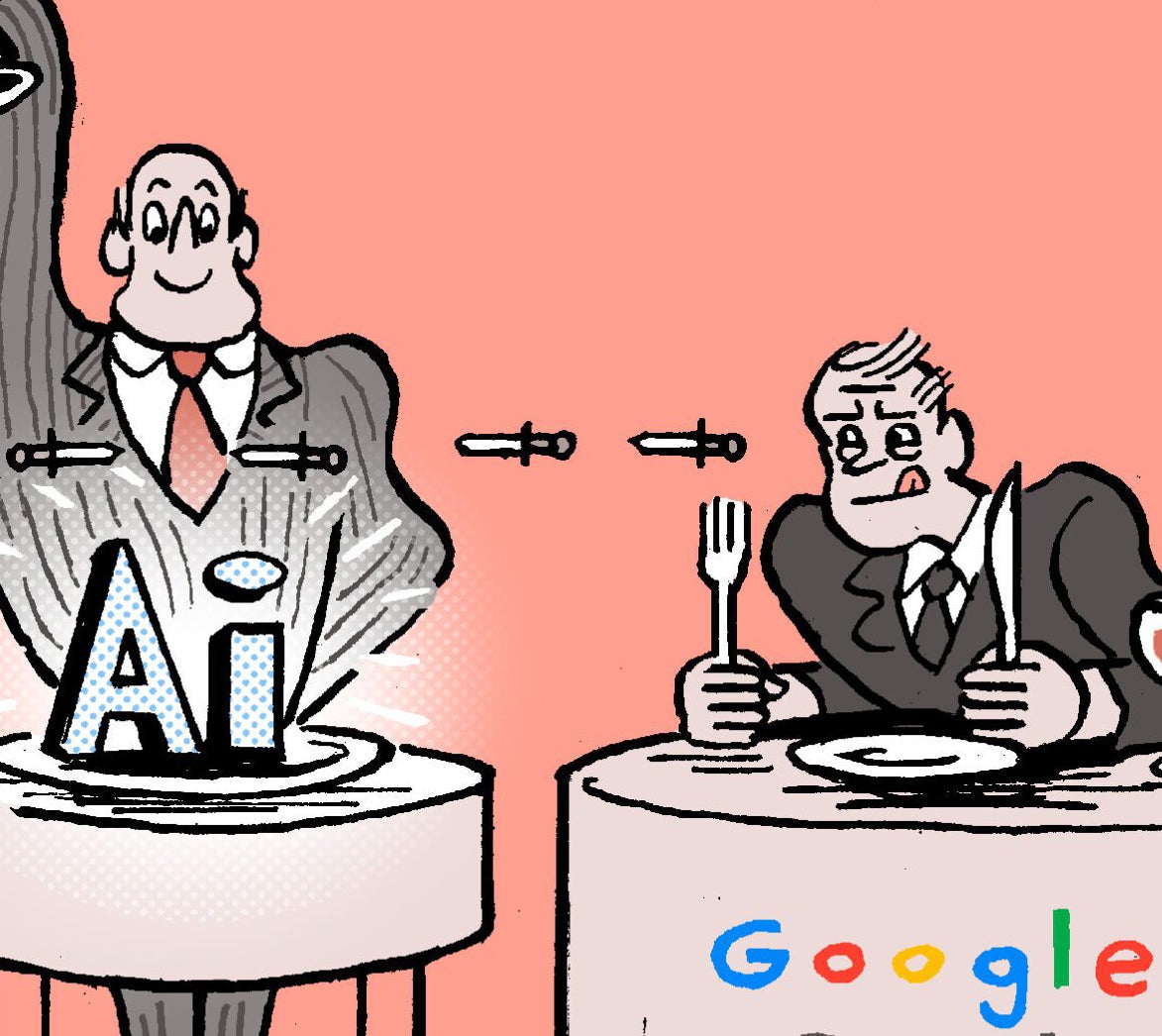
Programmatic advertisements have actually entered the conversation … bots.
On Tuesday, PubMatic introduced a partnership with Kontext, a platform that utilizes LLMs to generate appropriate advertisements within AI chatbots.
The combination is Kontext’s very first with an SSP, noting its introduction of AI chatbot inventory right into the programmatic landscape.
Something old, something brand-new
From a technical point ofview, the assimilation isn’t specifically unique. The campaigns operate within the OpenRTB protocol, for example, equally as various other programmatic buys do, Nishant Khatri, PubMatic’s EVP of product monitoring, informed AdExchanger. He included that he does not see the channel as “really different from the basic programmatic advantages.”
The genuine novelty is the rate at which new AI chatbots are emerging and the passion ad customers have in the items, according to Khatri. And while a number of the significant LLMs and AI chatbots, such as ChatGPT, do not currently include paid media at all, eventually, he stated, customer AI products will settle on ad earnings as a company model, rather than pure subscriptions.
Within AI search, “customer intent is shared far more plainly than in typical search,” claimed Luke Jinu Kim, chief executive officer of AI online search engine Liner. Since people’s motivates are part of a specific and continuous conversation, he said, marketers can tailor a message much more to that individual.
And also, as people increasingly use AI chatbots and develop more depend on and proficiency with the products, conversion prices and efficiency should rise, Kim said.
Social media and CTV “only provide fragmented signals about a customer’s rate of interests,” he claimed, compared to AI search, which engages clients in conversation concerning “explicit, in-the-moment demands.”
Takes 2 to tango
The programmatic design has actually proven its worth with very early AI publishers, also. Collaborating with Kontext has allowed Liner, for one, to draw in a broader series of marketers across a number of DSPs, Kim stated. This has actually boosted competition, enabled greater fill prices and boosted conversion prices via much better contextual targeting.
Kontext’s innovation evaluates the content of a conversation and serves ads based upon what it considers the most effective fit in terms of material and layout, claimed Khatri. For example, a giant internet banner isn’t pushed into a text-heavy setting where it looks rough and disruptive.
Kontext is likewise able to dynamically modify a brand’s preexisting creative assets to fit the discussion, such as including keywords included in the individual’s question. The amount of imaginative freedom the ad system has– if any kind of– would depend on specific advertisers, Khatri claimed.
However brand names that are willing to give up some innovative control will certainly obtain details understandings into what creative variations and A/B testing delivered the best efficiency.
The author dilemma
Integrating advertisements is all well and good for new AI chatbots. Yet where does this leave the instead huge and pre-existing globe of publishers, the majority of whom are battling?
Reference numbers have continuously plummeted considering that AI online search engine and Google AI Overviews got in the scene in the previous couple of years. Yet authors always had at the very least some resource of ad profits.
What occurs, after that, when marketers reroute their spending plans to AI search instead?
The method lots of publishers will stay afloat, Khatri forecasts, is by constructing their very own AI chatbots– which we’re already starting to see (in the beginning, a minimum of). PubMatic is hearing “a great deal of interest from publishers” pertaining to AI chatbots that can integrate with programmatic need, Khatri stated.
And there might be lots of room for an AI lengthy tail.
Khatri said that the AI environment “is going to be so substantial” that it’s even more comparable to the mobile application environment than to traditional search. Which is to say, there will be a lot of similar devices, and specific users could make use of a variety of them.
Still, he acknowledged, there will be “best-in-class applications that consumers are mosting likely to move in the direction of.”
Whether conventional publishers will fall under that group stays to be seen.
Suggested AI Advertising Tools
Disclosure: We might gain a payment from affiliate links.
Initial insurance coverage: www.adexchanger.com
Leave a Reply