
Marketers offer advertisements to attempt and sell items.
But what happens if they avoided over the ad completely and instead simply handed items directly to the customer?
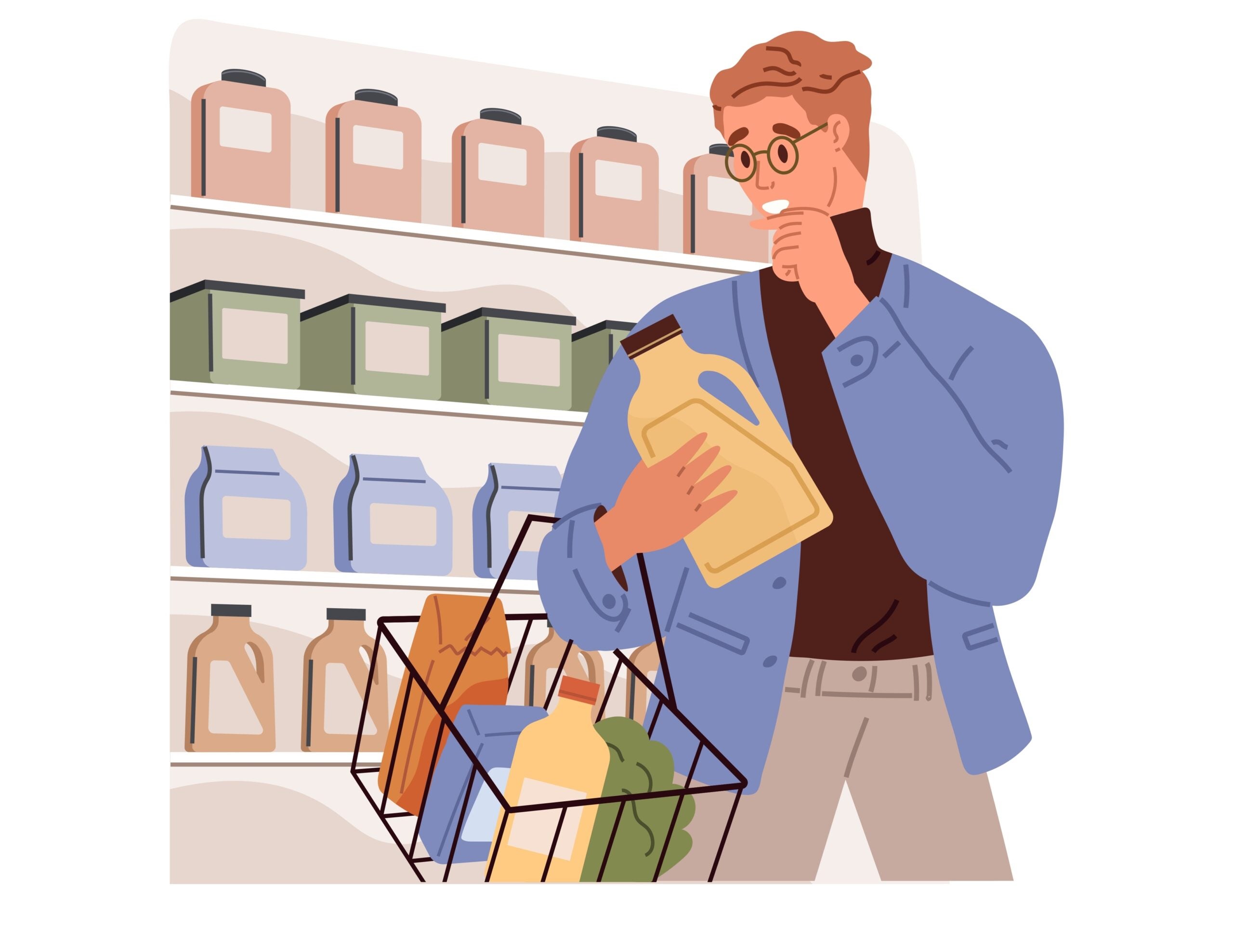
That’s the concept behind Swish, a start-up that partners with stores to offer full-size examples of CPG items to people doing their grocery store purchasing online. It resembles a severe form of tasting.
On Friday, Swish revealed $ 2 3 million in seed funding led by BD Ventures, a new venture company co-founded by Jonathan Opdyke, that additionally co-founded retail exchange HookLogic (which he offered to Criteo back in2016
Product-ivity
Like numerous various other programmatic systems, Swish utilizes AI to try and recognize a consumer’s rate of interests and purchase habits.
What makes Swish distinct is that it thinks about the product itself to be a kind of media, chief executive officer and Owner Adam Stave informed AdExchanger.
Although “item as media” might seem like an additional acronym waiting to happen– PaaM, anybody?– the concept is quite straightforward.
Swish has collaborations with merchants– including one with California-based Stater Bros. Markets– and makes use of a mix of OpenAI versions, Azure cloud facilities and its very own exclusive algorithms to evaluate client behavior and infer which items are more than likely to appeal.
The system after that includes totally free samples of those items to a client’s cart before checkout, hoping to drive conversions by cutting out the middleman.
Although giving away full-size examples isn’t low-cost, the strategy appears to repay.
In a current partnership with a prominent brand of lotion cheese, as an example, Swish handed out 3, 600 containers to individuals that had not gotten that brand name in the previous 12 months. Around 1, 100 of those clients returned and, integrated, acquired over 4, 000 containers of cream cheese, driving raised revenue and sales for the brand name and the retailer, according to Stave.
There is something as freebie
Tasting is typically incredibly costly for brands, Stave stated, because it needs them to make smaller, single-use variations of their items. There’s likewise not much targeting or personalization included.
Yet Swish” [looks] in every basket,” he said, to see precisely what a consumer is acquiring and discover their practices, like the rate at which they take in a specific product. This understanding is essential when figuring out the very best time to target someone with an example because, a little counterintuitively, Swish does not always wish to use an example currently of purchase.
For instance, a salsa business will probably have more luck targeting individuals who are getting icy burritos– but no salsa– that it would certainly converting individuals who are currently purchasing an additional brand name’s salsa. It’s likewise effective to target someone who acquired salsa a couple of weeks earlier and will go out.
Yet sometimes the right time to offer consumers a sample is exactly when they’re purchasing a competitor’s version so they can actually compare “apples to oranges in your home and try both,” Stave claimed.
Know thy customer
Along with taking a look at private consumer experiences, Swish’s AI system also tracks patterns over time to presume on the internet acquisition habits across a seller’s companions. “My home might make use of catsup every week,” claimed Stave, “yours could last a month.” Swish understands the difference.
But none of the information is directly identifiable. Swish does not keep names or addresses, and the data it does track isn’t even fully available to the brand names it partners with.
“We do provide a wide range of insights back to them, however they go to the aggregate level,” claimed Stave, such as the number of consumers who got examples took place to buy the item and what items they were buying alongside it. The individualized data is just offered to the stores, who own that data within their systems.
Insights stemmed from actual purchase data are more valuable than conventional demographic targeting based upon age or home earnings, Stave claimed.
Somebody that buys the least expensive version of a product available, as an example, will likely never ever be swayed by a much more expensive product example, despite how much they may enjoy it.
The objective, according to Stave, is to find more instances similar to this to “start obtaining smarter about that we do and do not offer our products to.”
BD Ventures’ Opdyke took it one action additionally.
Swish goals to “eliminate waste in the equation,” he said, not just by offering samples to the ideal people but by comprehending why specific people are basically most likely to be swayed.
“This could upend just how individuals in the CPG space go to market,” stated Opdyke, and eventually replace traditional tasting, which is also expensive, as well common and ultimately unreachable for several brands.
Nevertheless, said Opdyke, “you can not send by mail a hot dog.”
Advised AI Advertising Equipment
Disclosure: We might gain a compensation from affiliate links.
Original insurance coverage: www.adexchanger.com
Leave a Reply