
Hardly a day goes by in CTV Ad Land without a minimum of one mention of efficiency.
Netflix got in the fray recently when it introduced its conversion API, which is “designed to assist advertisers prove results,” according to the company’s article
But Netflix’s CAPI is not just an additional glitzy product statement ahead of the upfront period; it shows the increasing importance of the efficiency marketing frame of mind when it concerns streaming media.
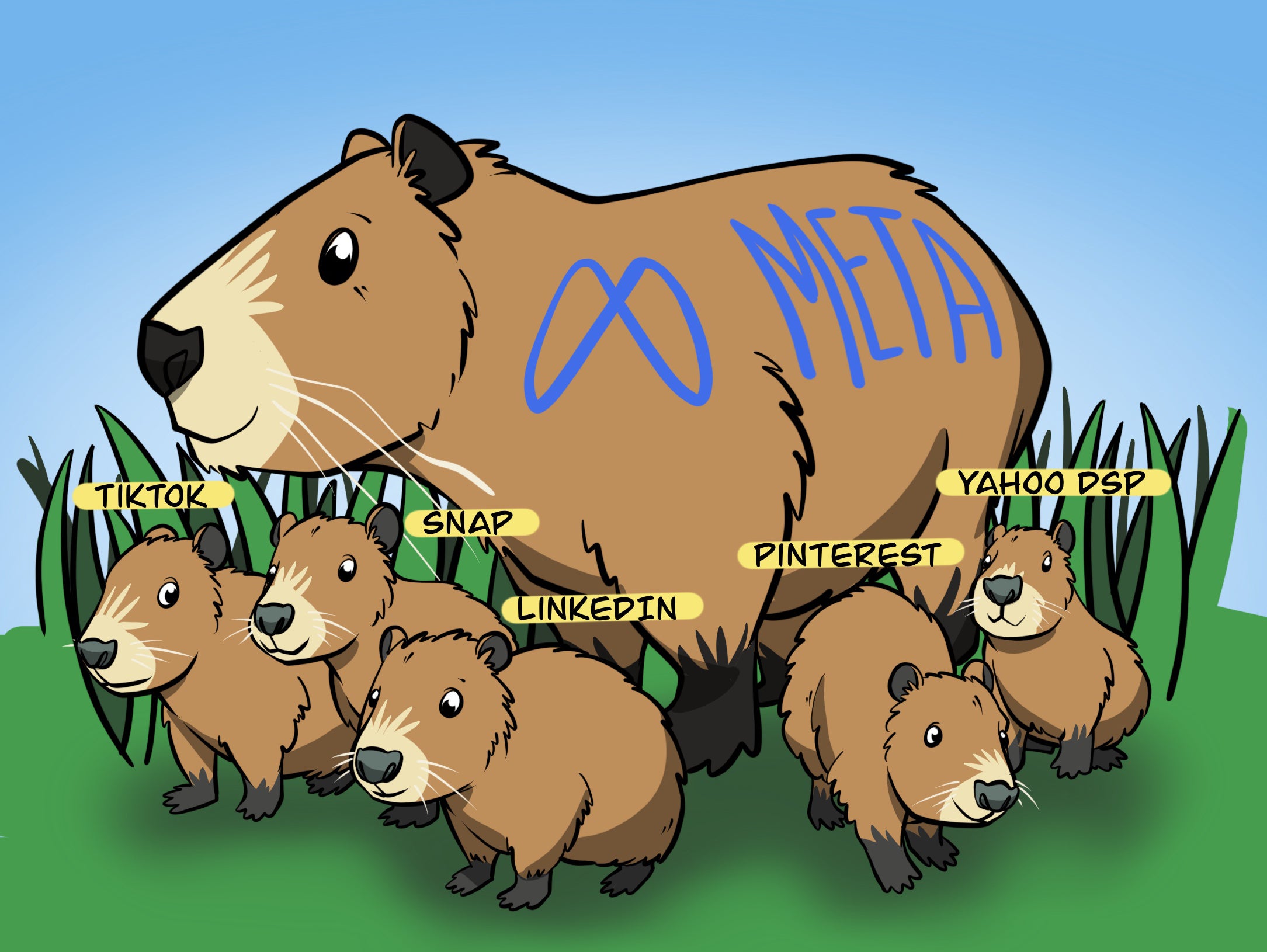
CAPIs are already a staple for electronic ad channels, such as display, on the internet video clip, search and social. Meta, Google, Break and various other platforms have CAPIs, which they make use of to better inform customers how their corresponding platform sticks out within various media mixes. LinkedIn signed up with the CAPI club in 2014, too. It presented its very own CAPI to aid marketers retarget somewhere else– including on connected television.
Now, CAPIs are getting in streaming TV , as marketers are pushed to validate every media buck. And Netflix isn’t the only streaming business proclaiming a CAPI lately, either.
Roku additionally has a CAPI, which it says allows customers to attach their own data for more accurate audience targeting and dimension, according to a article published in February. Roku likewise has an Ads API, which it released in November as part of its self-serve advertisement platform, mostly for smaller and midsize services. These developments comply with the lead of various other self-serve advertisement systems, consisting of Comcast’s Universal Ads , which launched in 2014 and is indicated to attract much more invest from SMBs and ecommerce brand names that have little to no background with a television or streaming ad strategy.
In a perfect globe, CAPIs can link the space in between marketers’ needs for evidence of efficiency and the practical possibilities of CTV acknowledgment, which is historically a complicated task. There are historically no monitoring pixels on television displays, and even with the introduction of streaming, people just don’t click about on television gadgets the means they do on laptop computers or phones.
Consequently, CAPIs have actually emerged as the shiny brand-new plaything for banners to bring more assurance to TV advertisement dimension. The hope is that more advanced acknowledgment will make marketers extra comfortable setting up CTV projects as a must-have in their media investment appropriations.
While Netflix’s blog post didn’t specify which kinds of outcomes marketing experts can track, general CAPI use instances and Netflix’s current targeting upgrades assist outline some opportunities.
For instance, brands normally use a CAPI combination to link their own first-party and conversion data to an ad system that can optimize projects based upon first-party data. By linking into the brand’s web server, an ad platform or media company can prevent many of the mistakes coming from privacy limitations and signal loss, consisting of yet not restricted to threats of deprecating third-party internet browser cookies.
Netflix evidently hopes its new CAPI will certainly attend to needs from its buy-side clients for enhanced targeting and measurement. On the exact same day Netflix revealed a CAPI, it also announced brand-new targeting abilities for buyers by means of the Amazon DSP and Yahoo’s DSP.
That timing is a testimony to the reality of targeting and measurement as 2 sides of the very same coin. If brands are able to target extra specifically, then the designated audiences are more probable to appear in attribution reports.
For marketing experts, one of the most important part of the equation is confirming that those results really occurred.
What I’m wondering is: Will CAPIs become the following phase of “efficiency television”?
Allow me understand what you assume. Hit me up at alyssa 7080 @yahoo. com
Recommended AI Advertising And Marketing Devices
Disclosure: We might earn a payment from affiliate links.
Original insurance coverage: www.adexchanger.com
Leave a Reply