
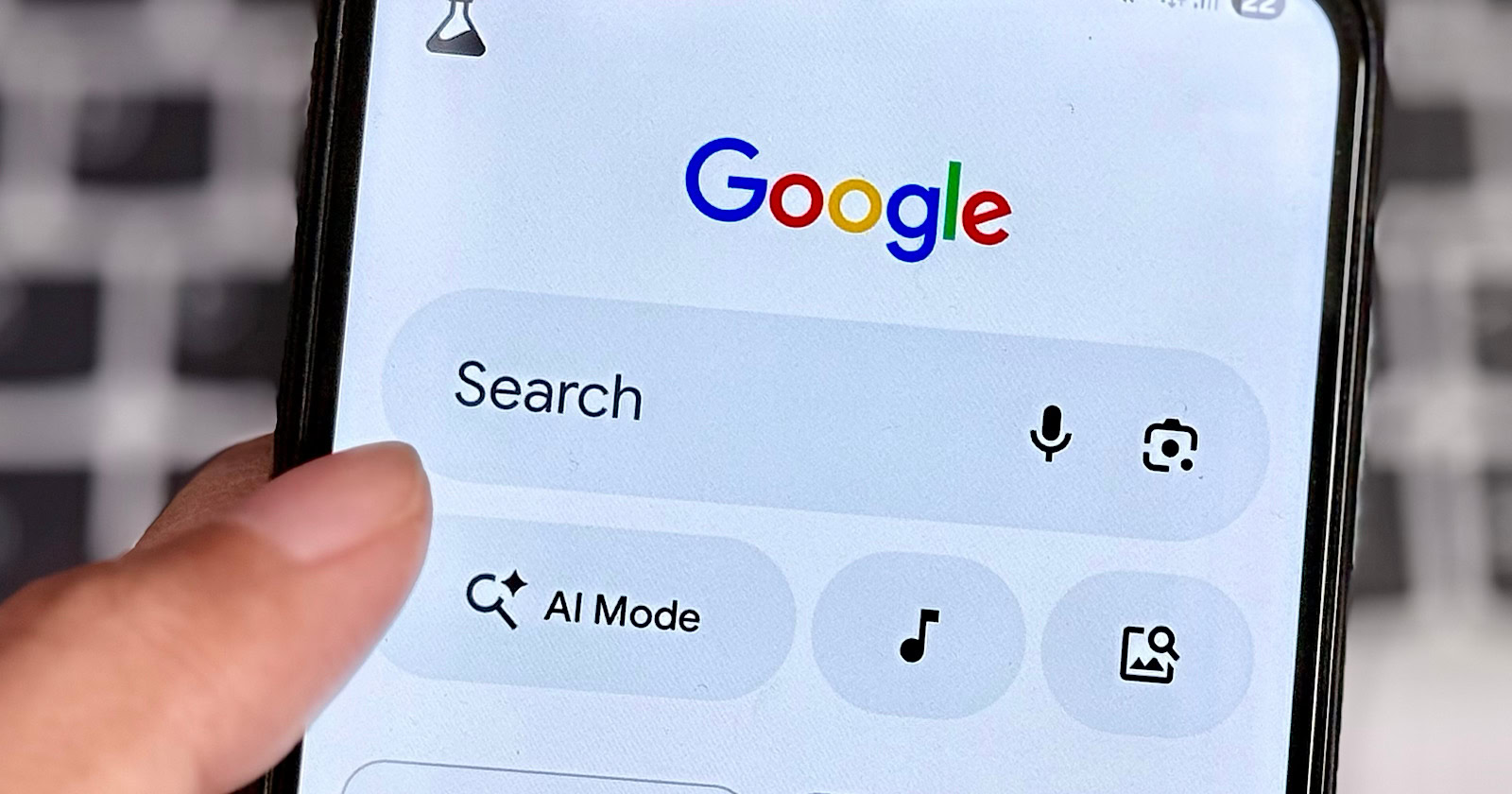
In a podcast meeting, Google VP of Browse Liz Reid defined two means LLMs are changing what Google can index and just how it places results for private customers.
Reid told the Access Podcast that multimodal AI versions currently allow Google to comprehend sound and video web content at a much deeper degree than was previously feasible. She additionally indicated a future where search results adapt based upon a customer’s paid registrations.
What’s New
Multimodal Comprehending Is Increasing What Google Can Index
Reid said LLMs being multimodal has opened material layouts that Google formerly had a hard time to procedure.
Reid told the hosts:
“The excellent thing about LLM is they’re multimodal. So we can really recognize audio content and video web content really at a level we could not years back.”
She went even more, explaining how Google can now go beyond fundamental transcription when analyzing video.
“Now you can understand audio better. Currently you can recognize video better. Now you can understand not simply the video transcription yet like what is the video clip a lot more concerning or what’s the design or other points like that.”
Reid linked this to an enduring space in exactly how search works for non-English audio speakers. For users in India that talk Hindi or other languages, the web often lacks the information they require in their language. Previously, equating all internet material into every language wasn’t scalable. LLMs transformed that.
“Now with an LLM, you can take info in one language, comprehend it, and then result in one more language. Like that opens up info.”
Google has actually been moving in this instructions for a long time. In October 2025, Reid informed the Wall Street Journal that Google had actually adjusted placing to emerge even more short-form video, online forums, and user-generated web content.
The remarks additionally add context to Google’s Sound Overviews experiment introduced in Search Labs last June, which produces spoken AI recaps of search results.
That wasn’t feasible a few years back. In 2021, Google and KQED tested whether audio content might be made searchable and discovered that speech-to-text precision wasn’t high enough, especially for proper nouns and local referrals. Reid’s remarks suggest that the barrier has actually fallen.
Subscription-Aware Search Might Adjustment How Outcomes Are Customized
Reid likewise detailed a direction for customization that exceeds Google’s existing Preferred Sources include
She told the hosts Google wishes to surface web content from outlets a user pays for, not paywalled arise from sources they can’t access.
“If you like this source and you do have a connection with it then that content should emerge a lot more quickly for you on Google.”
Reid provided a functional example. Say 20 interviews on a topic are paywalled but a customer registers for one outlet. Google should make it very easy to find the one they can review.
“We ought to emerge the one that they’re spending for and not the six that they can’t get access to more.”
She recommended the firm has “taken little steps until now however want to do more” to strengthen just how audiences and relied on resources connect with search. She also mentioned the opportunity of micropayments for individual articles, though she acknowledged that design hasn’t taken off historically.
Google increased Preferred Resources worldwide for English-language individuals in December, and introduced a function that highlights web links from users’ paid news registrations. Google said it would prioritize those web links in a devoted carousel, starting in the Gemini app, with AI Overviews and AI Setting to follow. At the time, Google claimed customers that pick a recommended source click to that website two times as commonly generally. Reid’s remarks suggest the company sees subscription-aware search as a wider advancement of that same instructions.
Why This Matters
The multimodal capacities Reid indicated broaden which material styles get found with search. Podcasts, video collection, and audio-first web content have actually traditionally been more difficult for Google to assess beyond metadata and records. Google’s expanding ability to examine relevance and depth from audio and video directly changes who can be found with search and exactly how.
For brand names and designers buying non-text formats, Google’s capability to surface area that work is reaching where the audience already is.
The subscription-aware personalization instructions issues for any author with a paywall or subscription design. Search results page that adjust to what private users pay for would certainly tighten up the link in between customer retention and search visibility. Paywalled content can perform better for the audience that matters most to the author, rather than being deprioritized since most customers can’t access it.
Looking Ahead
Reid didn’t attach timelines to either advancement. The multimodal indexing capabilities she discussed seem present, while the subscription-aware customization is a stated direction with some existing attributes already in position.
Google I/O is set up for May 19 – 20 Reid claimed on the podcast that the business is “actively constructing” however that the pace of AI growth implies some attributes can come together as late as April and still make it to the phase.
Included Picture: Mawaddah F / Shutterstock
Suggested AI Marketing Devices
Disclosure: We might gain a compensation from associate links.
Initial protection: www.searchenginejournal.com
Leave a Reply